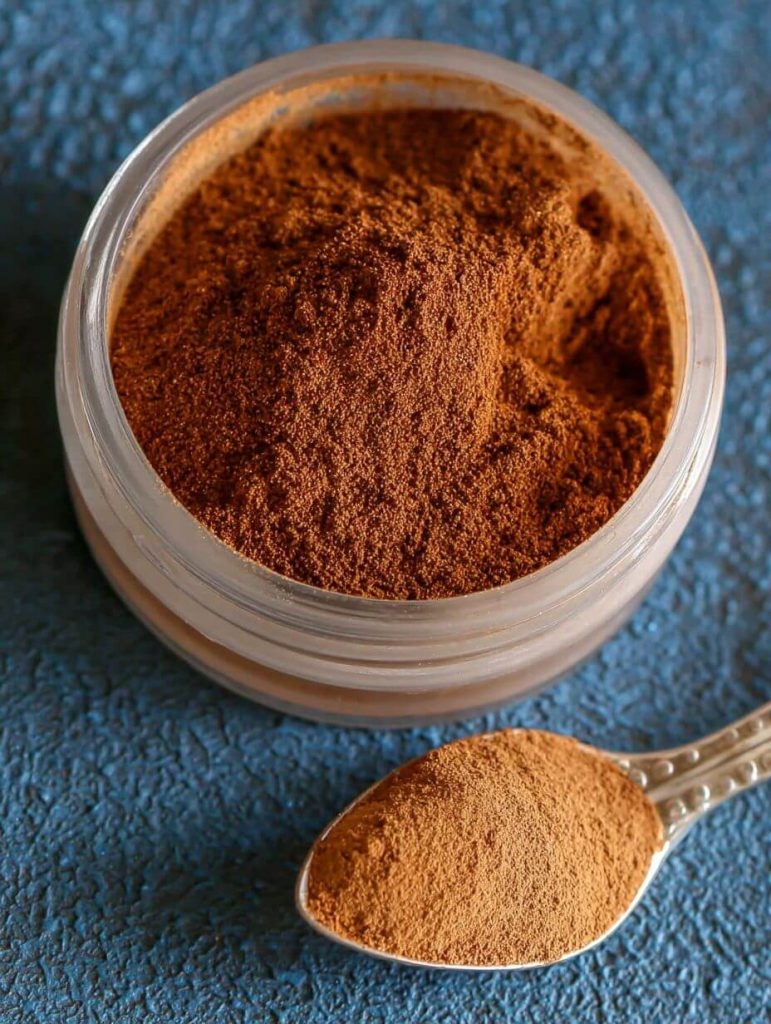
You ever have one of those days where it’s so chilly outside that all you want is something warm, comforting, and full of fall-ish flavors? That was me last week—in cozy socks with a mug of coffee, daydreaming about apple pie but not (honestly) wanting to put in all the work. Instead, I reached for my little jar of homemade apple pie spice mix. You know, the kind of magic sprinkle that makes oatmeal, pancakes, French toast, or even your morning yogurt taste like you just baked a pie. No peeling apples, no worrying about pie crust drama. Just one mix with big, bold, autumn energy. If you’ve never made your own spice mix before, trust me—it’s easier than pie (pun 100% intended). Try our Pumpkin Oatmeal Cream Pies next.
Why You’ll Love This
- Tastes just like the coziest slice of apple pie—even when there’s no actual pie around.
- Quick and so much cheaper than those tiny store-bought jars (what’s up with those prices?).
- Customizable to your family’s tastes—love more cinnamony goodness? Easy.
- Goes with everything: oatmeal, muffins, coffee, pancake batter (and a zillion more… trust me, I’ve tried).
- Smells like you just walked into a fall candle (in the best way possible).
- Makes a sweet little gift when packaged up with a ribbon and handwritten label.
Ingredient Notes
One of the best parts of making your own spice blend is using what you already have, and tweaking as you go. Truly, you can’t mess this up. Here’s the basic lineup for homemade apple pie spice mix: If you like this, you'll love our Zucchini Muffins.
- Cinnamon: The superstar. I prefer using a mild, sweet ground cinnamon (like Ceylon), but any ground cinnamon works.
- Nutmeg: Adds that classic, almost-nutty warmth. Freshly grated nutmeg is amazing, but ground is totally fine—use what’s in your spice rack.
- Allspice: A little goes a long way; a pinch gives you those comforting, old-fashioned bakery vibes. Can’t find it? Toss in extra cloves and a dash of black pepper.
- Cloves: Deep, rich, and kind of mysterious. Don’t go overboard—it’s strong! But it gives that signature “holiday pie” flavor.
- Cardamom (Optional): Sometimes I add a pinch for sweet, floral undertones. Highly recommend if you have it.
Substitution ideas:
- If you’re missing allspice, try a pinch of ground ginger (makes it a little brighter).
- Don’t have cardamom? No biggie—leave it out or add a little more nutmeg.
- Love a bolder spice? Add a tiny pinch of ground black pepper for some extra warmth.
The beauty here is you can really play—you control the snuggly spice level!
Step-by-Step Directions
This is one of those “dump and stir” recipes, which—let’s be honest—is the dream, right?
- Gather Your Spices: Set all your jars, containers, or spice bags on the counter. Measure out:
- 4 tablespoons ground cinnamon
- 1 tablespoon ground nutmeg
- 2 teaspoons ground allspice
- 1 teaspoon ground cloves
- 1 teaspoon ground cardamom (optional, but delightful)
- Mix: Pop all those spices in a small mixing bowl. Use a little whisk or fork to mix (and break up any clumps). Your kitchen will start to smell pretty incredible!
- Check for Balance: Dip in a clean spoon and take a whiff. Is it too heavy on one spice for your taste? Adjust with an extra sprinkle of whatever you love most—or add a little more cinnamon for classic vibes.
- Store: Pour your homemade apple pie spice mix into a small glass jar or old spice container with a tight-fitting lid. Label it—trust me, it’ll save you later!
Tip: If you want that fresh-ground nutmeg zing, grate whole nutmeg with a microplane right before mixing. (It’s kinda fun and makes the whole batch feel “extra.”) For another easy option, see our These Baked Apple Fritter Bites Will Ruin You (In the Best Way).
More recipes you might like


How to Use Your Spice Mix
The first time I made this, I found myself reaching for it every single morning (and a few sneaky evenings). Here are some of my absolute favorite ways to sprinkle cozy homemade apple pie spice into daily life:
- Stir into oatmeal, overnight oats, or your granola before baking
- Whisk into pancake or waffle batter (SO good for Saturday breakfast)
- Add a dash to your coffee grounds or sprinkle over your latte foam
- Mix into apple sauce, baked apples, or fruit crisps—level up that fruity sweetness!
- Blend with sugar and toss on cinnamon toast
- Add to muffins, quick breads, or banana bread batters for a fall twist
- Even works sprinkled on roasted sweet potatoes or carrots for a cozy dinner side
If I’m being honest, I’ll put this on just about anything sweet and a few savory things, too. (Popcorn with apple pie spice and a little melted butter? Don’t knock it till you try it!)
Optional Variations & Flavor Twists
There’s no secret rulebook for apple pie spice—it’s all about what makes you happy! Here are a few of my favorite ways to shake things up:
- More Citrusy: Add a teaspoon of dried orange zest for a bright, sunny note. Especially delicious in muffins or yogurt.
- Bolder Warmth: Up the cloves or add a pinch of ground ginger for extra heat.
- Chai-Inspired: Stir in a teaspoon of ground ginger and a pinch of black pepper for a little chai masala vibes.
- Sugar-Boosted: Mix the spice blend with granulated, brown, or coconut sugar for an instant topping (great for snickerdoodle cookies or cinnamon rolls).
- Nutty Crunch: Add toasted chopped pecans or walnuts to oatmeal along with the spice for a full “apple pie breakfast” experience.
Feel free to split your batch and try out a couple twists—having a few jars to play with is never a bad thing (and neighbors love getting surprise homemade spice gifts, just saying). You might also like our Mini Donut Hot Buttered Cheerios.
Storage & Reheating Tips
Your homemade apple pie spice mix is as unfussy as it gets—just store it like any other ground spice.
- Use a clean, dry container with a tight lid. Glass is best to keep the flavors fresh.
- Label that jar with the date, so you know when it was made (spices last, but they can fade over time).
- Keep it in a cool, dark place—think pantry, not above the oven (I’ve learned that lesson the hard way).
- Mix will stay vibrant for 6 months, sometimes longer, but trust your nose—if it starts to smell weak, just make a fresh batch.
- No reheating needed! Just shake or stir before using, in case anything settled or clumped together.
Pro tip: If you make a big batch, divide it into smaller jars—one for you, one for gifts, one to “hide” for later. Try our Easiest Ever Cinnamon Rolls next.
Let’s Keep the Cozy Going
Honestly, there’s something so rewarding (and fun) about whipping up a simple homemade apple pie spice mix and then finding a zillion ways to use it. It’s a cozy kitchen win—and a reminder that you don’t actually need a whole pie to enjoy those warm, comforting flavors. If you give this a try (or if you have your own family twist), drop a comment down below and let’s chat! I always love hearing what you’re making, especially if it involves something as craveable as apple pie, even in spice mix form. Happy sprinkling, friends! If you like this, you'll love our Candied Pecans.
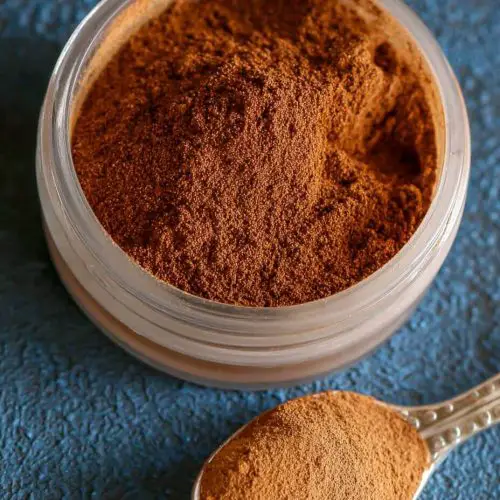
Homemade Apple Pie Spice Mix
Want This Recipe Later?
Ingredients
- 4 tablespoons ground cinnamon
- 1 tablespoon ground nutmeg
- 2 teaspoons ground allspice
- 1 teaspoon ground cloves
- 1 teaspoon ground cardamom optional
Instructions
- Measure out all the spices into a small mixing bowl.
- Combine the spices and mix well to ensure even distribution.
- Adjust the spice levels to your preference by adding more of your favorite spice.
- Transfer the spice mix to a sealed jar or container, and label it for future use.
Notes
Nutrition
Nutrition values are estimates based on the listed ingredients and serving count. Actual values vary with brands, cuts and portion sizes.